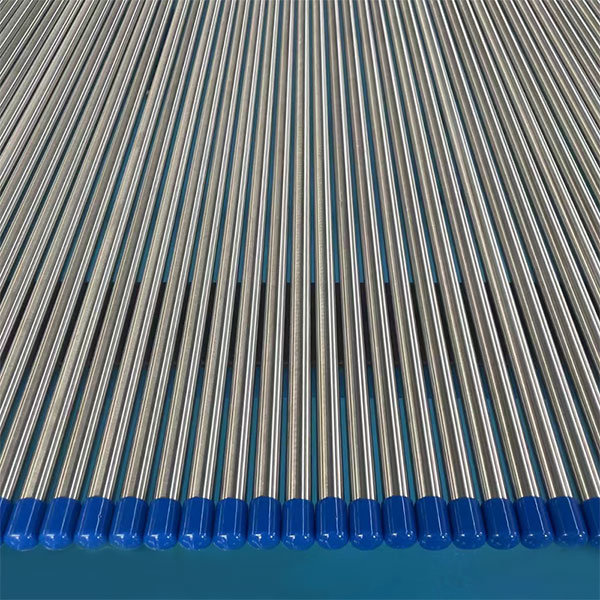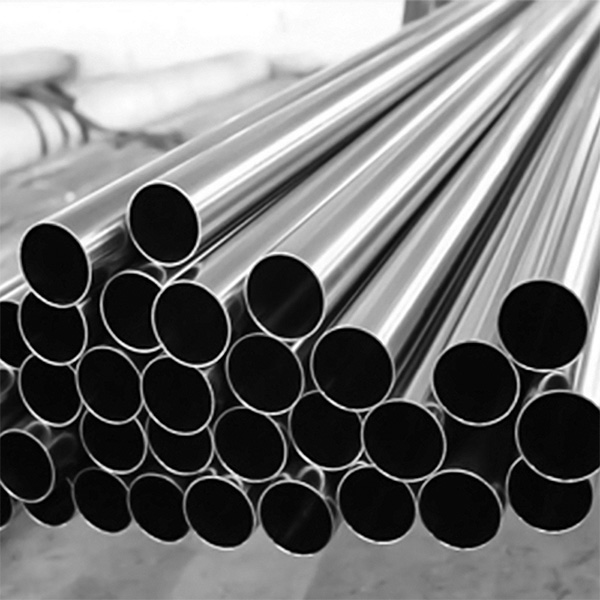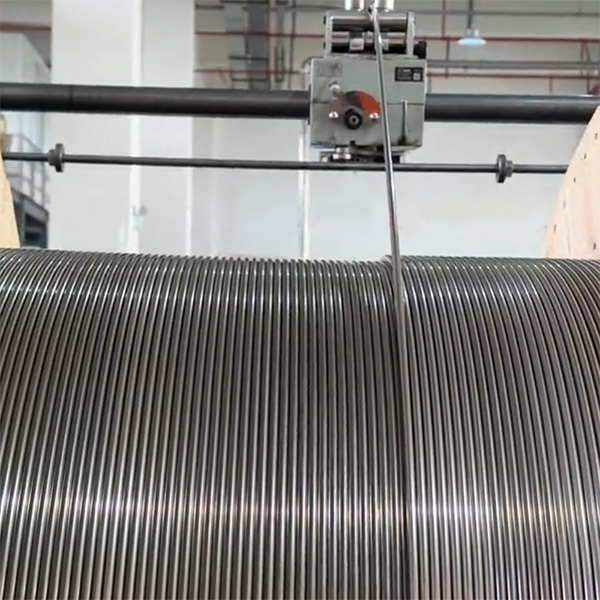

Hey there, fellow procurement engineers! As someone who’s spent a good chunk of my career in the oilfield, I know firsthand the critical role every single component plays in keeping our operations safe, efficient, and profitable. Today, I want to dive deep into a small but mighty hero of downhole integrity: the chemical injection check valve. These aren’t just off-the-shelf parts; they’re vital guardians against costly failures, and choosing the right one, especially when it comes to materials, can make or break your well’s performance. Typically, you’ll find at least two of these per well, acting as a crucial barrier in your chemical injection lines.
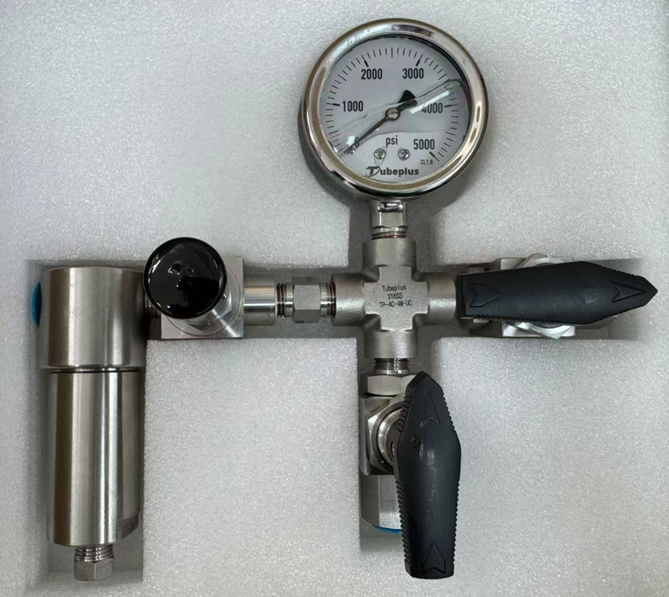
Why Your Chemical Injection Check Valve is More Important Than You Think
In the challenging world of oil and gas production, we often inject various chemicals downhole to tackle issues like corrosion, scale, and paraffin buildup. These chemicals are essential for maintaining flow assurance and protecting our valuable assets. However, without a reliable chemical injection check valve, you run the risk of wellbore fluids – often corrosive, high-pressure, and containing nasty elements like H2S and CO2 – flowing back into your injection lines. This backflow can contaminate your chemical supply, damage surface equipment, and create significant safety hazards. A robust check valve ensures one-way flow, protecting your entire injection system and, by extension, your well’s long-term health.
Navigating the Material Maze: Choosing for Downhole Conditions
When it comes to downhole check valves, material selection isn’t a one-size-fits-all decision. The extreme conditions encountered in different well environments – from high temperatures and pressures to aggressive corrosive agents – demand specific material properties. Let’s break down the common choices you’ll encounter and when to specify each, drawing insights from industry leaders like DD Design and Republic Check Valve.
- 316 Stainless Steel (316SS): The Workhorse
316 Stainless Steel is often the default choice for many oilfield applications, and for good reason. It’s a highly versatile, austenitic stainless steel known for its excellent corrosion resistance, especially against chlorides, thanks to its molybdenum content. It offers a good balance of strength, ductility, and weldability, making it a cost-effective solution for general service conditions.
- Composition: Primarily Iron, with Chromium (16-18%), Nickel (10-14%), and Molybdenum (2-3%).
- When to Use It: Ideal for moderate corrosive environments, general water injection, and applications where H2S and CO2 concentrations are low. It performs well in many conventional oil and gas wells where extreme sour service conditions are not present. It’s a solid choice for standard chemical injection lines where the injected fluid itself isn’t overly aggressive and the well fluids are relatively benign.
- Monel (Alloy 400): The Brine and HF Specialist
When you’re dealing with highly saline environments, such as seawater injection or produced water, or if hydrofluoric acid (HF) is part of your chemical treatment, Monel 400 is your go-to alloy. This nickel-copper alloy offers exceptional resistance to a wide range of corrosive media, including rapidly flowing brackish water or seawater, and is particularly effective against hydrofluoric acid in all concentrations up to the boiling point.
- Composition: Primarily Nickel (63-70%) and Copper (28-34%), with small amounts of Iron, Manganese, and Silicon.
- When to Use It: Essential for offshore applications, deepwater wells, or any scenario involving high-chloride brines or HF acid. If your chemical injection system is exposed to seawater or if you’re injecting HF-based treatments, Monel 400 provides the necessary protection to prevent premature valve failure.
- Duplex 2205 Stainless Steel: Strength and SCC Resistance
Duplex 2205 is a fantastic alloy that combines the best properties of austenitic and ferritic stainless steels. It boasts significantly higher strength than 316SS and offers superior resistance to chloride stress corrosion cracking (SCC) and pitting corrosion. This makes it an excellent choice for more aggressive environments where 316SS might fall short, but full-blown superalloys aren’t yet required.
- Composition: Primarily Iron, with Chromium (22-23%), Nickel (4.5-6.5%), Molybdenum (3-3.5%), and Nitrogen (0.14-0.20%).
- When to Use It: Perfect for wells with elevated chloride levels, moderate H2S/CO2 concentrations, and applications requiring higher mechanical strength. It’s increasingly popular in unconventional plays and some Middle Eastern fields where conditions are tougher than average but not yet extremely sour. If you’re seeing issues with 316SS due to SCC, 2205 is often the next logical step.
- Inconel (Alloy 625/718): The HTHP and Sour Service Champion
For the most extreme downhole conditions – think high-temperature, high-pressure (HTHP) wells, or those with severe sour service (high H2S and CO2 concentrations) – you need the unparalleled performance of Inconel. Alloys like Inconel 625 and 718 are nickel-based superalloys renowned for their exceptional strength, creep resistance, and outstanding corrosion resistance in highly aggressive environments, including sulfuric, hydrochloric, and phosphoric acids, as well as sour gas.
- Composition (Inconel 625): Primarily Nickel (min 58%), with Chromium (20-23%), Molybdenum (8-10%), Niobium (3.15-4.15%), and small amounts of Iron, Cobalt, and Titanium.
- When to Use It: Absolutely critical for HTHP wells, deep gas wells, and any application with high concentrations of H2S and CO2. Inconel is the material of choice when failure is not an option and the cost of intervention far outweighs the premium for this high-performance alloy. Many projects in the Middle East, particularly those targeting deep, sour reservoirs, mandate Inconel for all wetted components in chemical injection systems.
Material Comparison at a Glance
To help you quickly assess the best material for your next project, here’s a comparative overview:
| Material | Key Alloying Elements | Primary Strengths | Ideal Downhole Conditions | Typical Applications | Considerations for Middle East Wells |
| 316SS | Cr, Ni, Mo | General corrosion resistance, cost-effective | Moderate chlorides, low H2S/CO2, standard pressures/temps | Conventional oil/gas, general chemical injection | Suitable for less aggressive wells, but often insufficient for sour or high-chloride environments. |
| Monel 400 | Ni, Cu | Excellent resistance to seawater, brines, HF acid | High salinity, marine environments, HF acid injection | Offshore platforms, deepwater wells, specific chemical treatments | Good for marine-influenced fields, but limited for sour gas. |
| Duplex 2205 | Cr, Ni, Mo, N | High strength, superior SCC and pitting resistance | Elevated chlorides, moderate H2S/CO2, higher pressures | Unconventional plays, some moderate sour service, high-pressure wells | Growing use in fields with increasing H2S/CO2 or high chloride content. |
| Inconel 625/718 | Ni, Cr, Mo, Nb | Exceptional strength, HTHP, severe sour service resistance | Extreme H2S/CO2, HTHP, highly corrosive acids | Deep sour gas wells, ultra-deepwater, critical applications | Often mandated for deep, sour, and HTHP reservoirs due to severe conditions. |
Real-World Scenarios: Chemical Injection in Action
Let’s look at how these material choices play out in the field. In the Middle East, for instance, many new developments are targeting deeper, more challenging reservoirs. These wells often present a cocktail of high temperatures, extreme pressures, and significant concentrations of H2S and CO2. For projects with Saudi Aramco or ADNOC, specifying Inconel chemical injection check valves is not just a recommendation; it’s a standard requirement to ensure the integrity of the chemical delivery system and prevent catastrophic failures. The cost of a well intervention in these environments far outweighs the initial investment in premium materials.
Conversely, in some mature fields with less aggressive conditions, or for surface-level chemical injection skids, 316SS check valves might be perfectly adequate and offer a more economical solution. The key is always to match the material to the specific downhole environment and the injected chemical’s properties. A common mistake is to over-specify, leading to unnecessary costs, or worse, under-specify, leading to premature failure and massive expenses.
Customization is Key: The Tubeplus Advantage
This is where a responsive and capable manufacturer becomes your best ally. While standard options are available, the reality of the oilfield is that every well is unique. You need partners who can deliver tailored solutions. Tubeplus understands this implicitly. They specialize in providing custom chemical injection check valves that meet your exact specifications, ensuring optimal performance and longevity.
Tubeplus offers a comprehensive range of customization options, allowing you to specify:
- Material: Beyond the standard 316SS, Monel, Duplex 2205, and Inconel, Tubeplus can work with other specialized alloys to match the most demanding corrosive environments. This includes ensuring compliance with NACE MR0175 for sour service applications.
- Pressure Ratings: Whether you need a valve for moderate pressure or one capable of handling extreme HTHP conditions, Tubeplus can engineer the check valve to your precise pressure requirements.
- Connection Types: From standard NPT and tubing connections to specialized proprietary interfaces, they can match your existing system architecture.
- Crack Pressure: The exact pressure at which the valve opens can be customized to ensure precise chemical delivery and prevent unwanted backflow.
- Size and Configuration: Slim-hole designs, specific ODs, and unique lengths can be manufactured to fit challenging wellbore geometries.
This level of customization means you’re not forced to compromise. You get a Tubeplus check valve that is engineered specifically for your well, providing maximum protection and reliability. Their commitment to quality and flexibility makes them a valuable partner for procurement engineers looking for robust, long-lasting solutions.
Conclusion
Selecting the right chemical injection check valve is a critical decision that directly impacts the operational success and economic viability of your oil and gas assets. As procurement engineers, your role is to meticulously evaluate the downhole conditions, understand the properties of the injected chemicals, and then specify the appropriate materials – be it 316SS for general service, Monel for brines, Duplex 2205 for enhanced SCC resistance, or Inconel for the most extreme HTHP and sour environments. Remember, a typical well might need two of these crucial components, and their failure can be incredibly costly.
By partnering with manufacturers like Tubeplus, who offer extensive customization capabilities across materials and pressure ratings, you can ensure that your chemical injection systems are equipped with the most reliable and resilient check valves available. This proactive approach to material selection and specification not only safeguards your equipment but also contributes significantly to the overall efficiency and profitability of your oilfield operations. Make the informed choice, and keep those wells producing safely and consistently.